As practices start to reopen after the Covid-19 lockdown, teams are finding new ‘normals’ and are learning to work in different ways to get practices up and running again. We spoke with Adam, a dental hygienist and therapist, who has had a change of role following lockdown to help his practice get back on track.
What was your experience of ‘lockdown’?
Nothing, mainly sleeping – I found lockdown very difficult. I live a long way from my family, and once my practice decided to stop providing routine treatment the week before the country went into lockdown, I found I had lots of free time. I took the opportunity to do a lot of online CPD, and it was good to have time to do courses I am interested in.
What is your role in the dental team after the Covid-19 lockdown?
I work for several different practices, and one of them was able to open on the 8th June – it was a rush to get ready, but we managed it! The other hygienist and I are both self-employed, and we went back in the role of dental nurses. The employed staff were kept on furlough and brought back in phases. This was a business decision which hopefully has helped the practice.
What was the preparation like for returning to work?
Good and positive. We were all fit-tested with various masks and had lots of meetings to plan how we would work. It was strange seeing people for the first time in so long, especially as it had been such a sudden shutdown.
How have you found returning to work in a different role?
Interesting. It has really helped me appreciate the different roles of the dental team and the difficulties of each one. It has been enjoyable overall, though – and nice to work more closely with other team members.
Now you are beginning to return to work as a hygienist/therapist, what are you finding different in the way you are now working?
I am hand-scaling only, which means treatment is taking longer, so I am mainly now working to 30-minute appointment times, whereas before it was a 50/50 split between 20-minute and 30-minute appointments. Also, even though it's only hand-scaling, I am wearing slightly more PPE than before; wearing aprons and visors – initially it was difficult to find a visor which went over my loupes, but I have got one now.
Do you feel that there are long-term changes that will occur for the dental industry in light of the pandemic?
I think there is potential for local changes to dentistry within teams, but on the whole, no. I think we will eventually fall back into old routines as these have been proven to be cost-effective for practices, and overall we will have a greater appreciation for such incidents, but I don’t believe much will change in terms of dentistry as a whole, sadly.
News
With dental practices re-openning, there is likely to be a huge backlog of patients who are going to have their dental appointments delayed and rescheduled over the coming weeks and months. It is now more important than ever to keep the public and our patients informed on how to maintain good oral hygiene.
Children
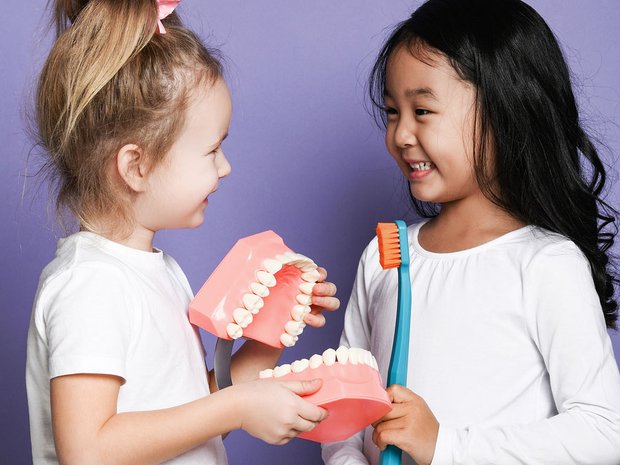
The biggest oral health concern in children is dental caries. Caries in young children can cause pain, difficulty sleeping, difficulty concentrating at school and time off to attend dental appointments, damage to the permanent teeth, and malocclusion. Whilst there have been improvements over recent years with the introduction of fluoride and a greater focus in dental practices on prevention, the rate of dental caries in young children remains too high in the UK. Dental caries is a preventable condition, and oral health advice on toothbrushing, diet and fluoride can have a substantial impact.
Feeding and diet advice
Babies and infants – Breastfeeding is considered the best form of nutrition for babies where possible up to the age of six months. Bottle-feeding may take place in addition to this or instead of breastfeeding. From when a baby is six months of age onwards, parents should be encouraged to start introducing open-top cups gradually with an aim to phase out the use of bottles by the time the baby is twelve months old. Drinking from an open-top cup helps the liquid to bypass the teeth quickly. It also helps babies to develop muscles in their face and encourages speech development. The same principles apply to the use of dummies; they should be discouraged from six months of age with an aim to remove them by the time a baby is twelve months old. Dummies should never be dipped in sugary substances or medicines, as this can contribute to dental caries. Sugar-free medicine should also be used as much as possible.
Diet – To prevent dental caries, the frequency and amount of sugary foods and drinks should be reduced and kept to mealtimes where possible. The frequency of sugar consumption is far more damaging to the teeth than the amount consumed, so snacking or ‘grazing’ should be minimised. Healthy snacks such as carrot sticks, celery, houmous and pitta bread can be advised as alternatives. In cases where snacking cannot be avoided, it is helpful to recommend something neutralising immediately afterwards such as water, low-fat cheese or milk.
Fresh fruit is an important part of a healthy diet. Fruit contains naturally occurring sugars which do not contribute to dental caries as they are intrinsic sugars. However, it is important to remember that once fruit has been dried or turned into a juice or smoothie, this sugar becomes extrinsic and can contribute to caries. Dried fruit especially has a very sticky consistency which is perfect for sticking in the pits and fissures of the teeth. Fruit juice and smoothies bought from shops often have added sugar on top of the naturally occurring sugar.
It is useful to provide patients with a diet sheet to find out what they are eating and when. If you are providing a diet sheet, it is best to have It completed over a three-day period, with one of these days being a weekend. This is because often our eating habits change on the weekend and we allow a few more treats. When discussing a diet sheet with patients or parents/carers, try to identify healthy foods where possible. This will make it easier for patients to hear which foods could be swapped for healthier alternatives or moved to mealtimes.
Toothbrushing
Toothbrushing can start as soon as teeth begin to erupt and should be supervised until a child is approximately eight years old. Often a young child will need some adult assistance before they can brush their teeth completely on their own. A small-headed soft-medium textured brush would be most appropriate. Electric toothbrushes are available for children, with some even being aimed at toddlers. Toothbrushing should take place last thing at night and one other time in the day. Night-time is the most important time to brush, as our saliva levels drop during the night, which can put us at an increased risk of caries if there is plaque biofilm left on the teeth.
Fluoride
Fluoride is a naturally occurring mineral with proven benefits for reducing dental caries, and it can even arrest existing carious lesions when applied topically. Fluoride levels are measured in ppm (parts per million), and it is important to know the correct levels of fluoride for children: for children aged zero to six, the toothpaste should contain no less than 1000ppm of fluoride. If a child is between the ages of zero and three, then only a smear of toothpaste is needed on the toothbrush. For children between the ages of three and six, a pea-sized amount can be used, and it is also important that they are encouraged to spit the toothpaste out but not to rinse the residue away afterwards; this maintains the fluoride concentration on the teeth. If a child is at high risk of caries, a dentist may recommend adult toothpaste with 1350-1500ppm fluoride, alongside fluoride varnish application twice a year. For children aged seven and above, a toothpaste with 1350-1500ppm fluoride (an adult toothpaste) is the most suitable.
Dental visits
Children can begin having dental check examinations from the age of one. This is part of a campaign by the British Society of Paediatric Dentistry to get children used to the dental setting and reduce the number of children requiring multiple extractions under general anaesthetic in hospitals. The younger a child is when they begin visiting the dental setting, the less likely they are to suffer with dental problems and become anxious of the environment. The first examination is likely to be a very quick opportunity to look inside the mouth and check the development of the teeth, but it is a valuable experience nonetheless.
Providing oral health messages to children
Often the biggest challenge with children is motivating them to brush their teeth twice daily. Disclosing tablets are a great visual way to show children which areas they need to brush better by highlighting plaque with a bright colour. It is better for them to be used after toothbrushing to show which areas need to be focused on more when brushing. There are also lots of brushing apps available to keep children engaged for the full two minutes and make brushing fun. Not all parents will be keen to have electronics in the bathroom, but it is a great option for anyone struggling to engage a child in toothbrushing. Sand timers are another great visual tool to show children just how long two minutes is – they come in bright colours and are available online.
Written by Melanie Pomphrett MSc, RDH, PTLLS
News
With dental practices re-openning, there is likely to be a huge backlog of patients who are going to have their dental appointments delayed and rescheduled over the coming weeks and months. It is now more important than ever to keep the public and our patients informed on how to maintain good oral hygiene.
Adults
With more time being spent at home and stress levels at an all-time high for many adults, unhealthy habits such as smoking, alcohol consumption and an unhealthy diet can cause major oral health problems. This section will cover the main pieces of oral health advice and the best way to provide this advice whilst access to dental services is limited.
Fluoride and toothbrushing
Adults should be using a toothpaste with between 1350-1500ppm of fluoride. Most adult toothpastes should contain this. After toothbrushing adults, should spit the excess toothpaste out but avoid rinsing with water to maintain fluoride concentration on the teeth. A mouthwash can be used as an additional source of fluoride, but it should be alcohol-free and must be used at a separate time to brushing, as mouthwash contains much lower levels of fluoride than toothpaste.
Electric toothbrushes have been proven to be more effective at removing plaque than manual toothbrushes, so it is best to recommend these where possible. A manual toothbrush can still be effective with a good brushing technique; a small-headed sized brush with soft-medium textured bristles is perfect, and firm bristles should be avoided as they can cause recession of the gingiva and tooth abrasion if used too aggressively. Toothbrushes and toothbrush heads should be changed every three months, or sooner if a patient has been unwell. The bristles of a toothbrush should not splay outwards before the three-month mark; if they do, then the patient may be using a traumatic brushing technique.
Gum disease
Bleeding gums are often the first sign of gum disease. We are all likely to experience bleeding gums at some point in our life, and the problem is easily resolved with good cleaning at home and with no permanent damage to the teeth or supporting tissues. Gingivitis is the term given to the reversible inflammation of the gingivae. Whilst poor oral hygiene is the primary cause, other factors (such as hormonal changes) can worsen the condition. If gingivitis is left untreated, it can turn into periodontitis. It is important to remember that not everyone who suffers with gingivitis will end up with periodontitis; the causes of periodontitis are complex, and the way the body responds to plaque is a big factor in its development. Periodontitis results in permanent destruction of the surrounding tissues and is therefore much more of a concern for the patient and dental professionals. The severity of the condition will depend on the treatment that the patient requires, but oral hygiene instructions are always an absolute must as any treatment is going to fail without effective plaque control at home. Effective plaque control should include the following:
Toothbrushing twice daily for at least two minutes.
Interdental cleaning at least once a day.
Use of a medicated mouthwash if it has been recommended – but this should be used at a separate time to brushing, and usually it is only meant to be used in the short term.
Removal of plaque-retentive factors by a dental clinician and possible root surface debridement.
Whitening
Every week, there seem to be new products claiming to whiten teeth without the need for a dentist’s prescription. This is especially evident across social media. The ingredient required to change the colour of the teeth is hydrogen peroxide or carbamide peroxide. In the UK, this can only be included in over-the-counter products in tiny amounts, which make these products unlikely to cause a significant change in the shade of a tooth. Whitening toothpastes and products can be highly abrasive to make up for this and can result in permanent damage to the teeth. The bottom line is that only a dentist can perform (or prescribe to a dental hygienist and/or therapist to perform) safe, legal and effective teeth-whitening; anything else is either not regulated, not safe or will not have the desired effect.
Diet
Reducing the frequency and amount of sugar consumption is always a priority when it comes to providing diet advice to patients. However, with adults you may also need to consider foods which can cause other oral and general health concerns. The incidence of obesity and the number of adults diagnosed with type-2 diabetes is rising. These conditions can have long-term effects on oral health, so it will benefit patients in the long-term if we provide holistic diet advice. Diet advice should be based on the Eat Well plate. This is a clear visual representation of how much food from each food group should be consumed to create a healthy, well-balanced diet. Regular exercise is also an important part of staying healthy and reducing the risk of many chronic conditions.
Erosion is the wearing away of tooth structure caused by acids which are not bacterial in nature. Erosion is most commonly caused by the following:
A highly acidic diet.
Gastrointestinal conditions, e.g. acid reflux.
Chronic morning sickness.
Eating disorders causing frequent vomiting.
Some examples of foods and drinks which are highly acidic include: fruit, fruit juices, alcohol and diet soft drinks. Whilst erosion and dental caries are separate conditions, the advice we provide is very similar. Patients should limit the frequency of acidic foods and drinks and keep them to mealtimes only where possible; neutralising foods and drinks such as low fat cheese or milk can be consumed immediately afterwards to help raise the PH of the mouth. Alternatively, fluoride mouthwash and sugar-free chewing gum have similar effects. For anyone suffering with chronic vomiting, toothbrushing should be avoided for at least thirty minutes after vomiting. If patients present with health problems which are causing acid reflux, it may be necessary to signpost them to a healthcare professional for treatment. The biggest complaint from patients suffering with erosion is dentine sensitivity. Sensitive toothpastes will help to relieve the symptoms in the short term and restorative options are available in the long term.
Smoking and alcohol
Smoking – Smoking is incredibly damaging to oral health and general health. When it comes to oral health, smoking increases the risk of periodontal disease, tooth loss, dry mouth and oral cancer. Smokeless tobacco is also an oral cancer risk and therefore we should advise against it. It can be difficult providing smoking cessation advice, especially when someone has been smoking for a long time, as nicotine is highly addictive. The best thing to do is ask the patient if they have considered giving up and see how they respond. If it is appropriate, you can then go on to provide further advice on cutting down and giving up, and you can signpost to the relevant help services. If the patient is not ready to give up, there is little point in going any further, as this is likely to get a negative response from the patient.
Alcohol – No amount of alcohol is safe, but guidelines suggest that adults should have no more than 14 units of alcohol per week. It is important that these units are not all consumed in one go and that there are a few days in the week that are completely alcohol-free.
Providing oral health messages to adults
Adults are the perfect age group to provide preventative oral hygiene advice to via social media channels. Many dental professionals are using social media as a platform to connect with members of the public they would not normally see in their dental surgery. If this is something you would like to do, consider your target audience – who do you want your messages to be seen by? What age group? What oral health concerns will they have? National campaigns provide a great opportunity to post content – they include National Smile Month, Stoptober, Diabetes Awareness Week, and others. It is always best to provide general oral health advice and avoid providing any personalised dental advice to individuals; it could be seen as acting outside of your scope of practice if you end up discussing treatment options which would normally be discussed between a patient and a dentist.
Written by Melanie Pomphrett MSc, RDH, PTLLS
News
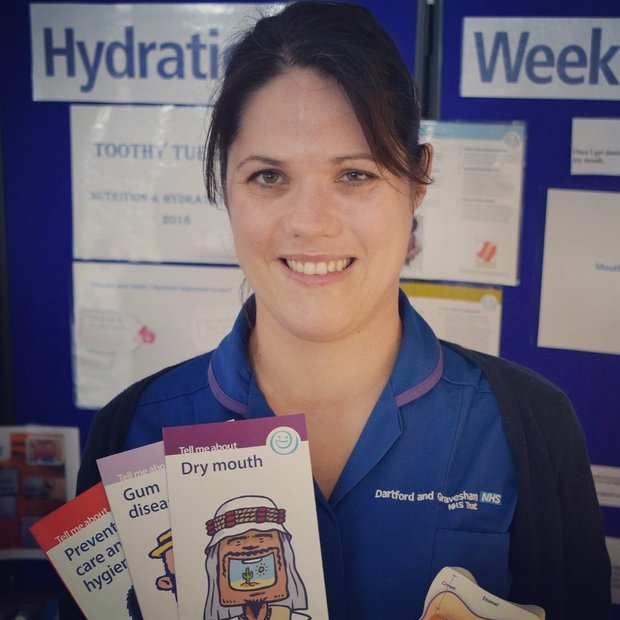
Although we are in very uncertain times, at DNN we feel it is even more important than ever to remember why we are in the dental care profession. For this month's Inspiration Q&A, we have interviewed Sarah, our new Oral Health Educator Assessor.
When did you start working as a dental nurse?
I started working as a dental nurse in 2005 in general practice.
Why did you start working as a dental nurse? Was it something you always wanted to do?
My friend was a dental nurse, and she suggested that I should come and shadow her for a week. I enjoyed my week, which I spent learning about the different materials and treatments and meeting a variety of patients.
Tell me about your current role as mouth care lead?
I am part of the Mouth Care Matters programme that was started at East Surrey Hospital in 2015 by Special Care Dentist Mili Doshi.
“The Mouth Care Matters (MCM) programme aims to create a healthcare team that is more responsive and personalised for patients and delivers better clinical outcomes, bringing an increased awareness of the importance of good mouth care and how it impacts on general health and quality of life. The initiative is relevant for all people who provide personal care to patients, be that in an acute, care home, or community setting.”
I started my role in 2016. It was a newly created post in my hospital, and I am part of both the Dietetic and Nutrition team and the Speech and Language team.
As the mouth care lead at my trust, I support medical, nursing and allied health professional staff with delivering training about oral health. I also provide oral health advice and support for vulnerable patients and their carers or families on the wards. This can involve activities such as referring patients to appropriate dental services, supporting a mum on our children’s ward to learn toothbrushing with her child, and enabling nursing staff to support a patient who has a dry mouth (by showing the nursing staff how to apply dry mouth gel to the inside of the patient’s mouth).
As a lead, I am responsible for ensuring audits are carried out and for creating and updating policies related to mouth care.
To be able to perform my role, I completed my Certificate in Oral Health Education and attended the six Mouth Care Matters training days during my first six months in post. I also attend regular study days with my mouth care colleagues. There are eight mouth care leads across Kent, Surrey and Sussex.
In response to the current situation with Covid-19, I was redeployed to assist my hospital’s education and training team to deliver fit testing and training to hospital staff. As I have a background in training and education, I thought this role would suit me perfectly. I attended a ‘train the trainer’ session, which took place online. I am still currently working as a mouth care lead alongside my fit tester role.
The role of a fit tester is to carry out qualitative testing and fit checking to ensure a respirator facepiece or mask matches a person’s facial features and seals adequately to their face.
The performance of tight-fitting respirators relies on achieving a good seal between the facepiece of the respirator and the wearer’s face. If the seal is inadequate, contaminated air will take the path of least resistance and will travel through leaks, reducing the level of protection provided to the wearer.
An FFP3 mask is a type of respiratory mask currently worn by hospital staff if they are assisting a patient who is on a ventilator. Ventilator use is classed as an aerosol-generating procedure.
Qualitative fit testing is a pass/fail test method that uses the senses of taste or smell, or reaction to an irritant, to detect leakage into the respirator facepiece. Qualitative fit testing does not measure the actual amount of leakage. Whether the respirator passes or fails the test is based simply on the wearer detecting leakage of the test substance into the facepiece.
What other roles have you had in dentistry?
I have been an oral health educator working in the community with the community dental service and my local authority. This involved delivering talks to children’s centres, nurseries, special schools and local charities such as Home-Start. I also ran an oral health clinic under the supervision of my special dentist for children and adults with learning disabilities.
I have been a dental nurse with enhanced duties; my duties included applying fluoride varnish under a dentist’s prescription. When I was working in general practice, my dentist was keen to support Public Health England’s initiative to protect children’s dental health. I therefore completed my certificate in fluoride varnish so that I could apply fluoride varnish to children’s teeth.
How do you feel the role has changed since you started dental nursing?
There are more opportunities for dental nurses since the Scope of Practice 2015 was published, including completing courses and competencies such as impression-taking.
What is the one thing that you would change about the dental nursing role?
I would love to make the public more aware of how valuable dental nurses are. I would raise the profile of dental nursing, ensuring school leavers know what a great career it is.
I feel dental nurses need to stand together, maybe by creating an active dental nurse forum.
What extended-duty courses have you completed?
Certificate in Fluoride Application.
Certificate in Impression-Taking.
Certificate in Oral Health Education and Promotion.
How do you get to use these skills in practice?
I am currently in a hospital setting, so I haven't used these skills recently. However, I am looking into whether I can use these skills again in my current mouth care lead role.
What would your one piece of advice be to a dental nurse looking to become an oral health promoter?
Shadow an oral health promoter. Look at recent public health reports and recent dental health surveys. Speak to your local council about what public health messages they are promoting and whether oral health is one of them.
News
With dental practices preparing to re-open, there is likely to be a huge backlog of patients who are going to have their dental appointments delayed and rescheduled over the coming weeks and months. It is now more important than ever to keep the public and our patients informed on how to maintain good oral hygiene.
Older patients
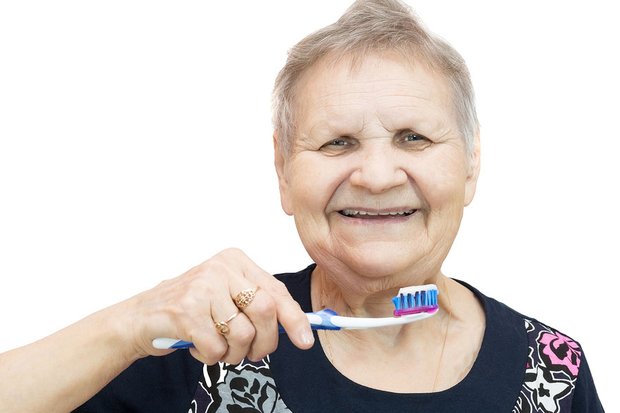
Older patients are especially vulnerable during this time, as many are required to strictly isolate themselves due to health problems. Access to dental services may take longer for this patient group due to the risk it poses to them. Oral health may not be a priority at this time, and some older patients may be struggling with some aspects of their routine. This article will cover the main oral health problems associated with older people and some of the advice you could provide to help reduce the chance of them occurring.
Dry mouth
It is common to experience dry mouth during periods of stress and anxiety, but this usually resolves itself without causing any other problems. However, for some individuals dry mouth can be a chronic condition which affects overall quality of life. A chronic dry mouth increases the risk of dental caries, reduces taste, makes swallowing more difficult and can cause bad breath. Dry mouth, also known as xerostomia, is one of the most common side-effects of medications. Older patients are more at risk of xerostomia; saliva production can reduce over time and they are more likely to be on multiple medications. Here are some tips on managing xerostomia and reducing the chance of resulting oral health problems:
Take regular sips of water throughout the day. As far as possible, carry water with you when away from home.
Use sugar-free chewing gum, which can help to stimulate the salivary glands.
Use a fluoride toothpaste twice daily, using the spit-but-do-not-rinse technique.
Consider using a fluoride mouthwash at a separate time to toothbrushing.
Try to avoid adding extra salt or sugar to meals.
Visit a dentist regularly.
Reduce the frequency and amount of sugary food and drink consumption, and try to keep these foods to mealtimes where possible.
Consider saliva replacement therapy such as sprays, lozenges, and mouth rinses.
Medical conditions
As a population, we are living for longer, which is great news. However, we are also living with chronic health conditions which can be impacted by our oral health. Evidence shows that poor oral health can worsen and even contribute to conditions such as diabetes, respiratory problems, stroke, heart disease and Alzheimer’s disease. This is particularly concerning for any patients who are already at risk of these conditions. The bacteria present in periodontal disease can travel through the bloodstream to other parts of the body, so managing periodontal disease with good toothbrushing, daily interdental cleaning and regular dental visits is essential.
Difficulties with brushing
Conditions such as rheumatoid arthritis can make effective toothbrushing very difficult. Electric toothbrushes require less wrist movement from the user. However, they are heavier than manual toothbrushes, so bear the patient’s needs in mind when you are making recommendations. Brushes can easily be adapted to make them easier to hold. For example, make a hole in a tennis ball and place the toothbrush handle inside this, or use putty from the surgery to mould around the brush – this can even be shaped to the patient’s hand. Interdental cleaning can also be difficult for patients, as floss and interdental brushes require good manual dexterity. If a patient cannot use these, consider recommending a water flosser or an air flosser as an alternative.
Respiratory problems and Covid-19
Evidence is building on Covid-19. We now know that it significantly affects the respiratory system and that those with existing medical conditions suffer much more. Older patients are more likely to have existing respiratory problems and may be less likely to fight off the condition. They therefore may require hospital treatment and assistance with breathing from a ventilator. Evidence already exists showing the link between poor oral health and aspiration pneumonia. This is because the bacteria in the mouth can be inhaled directly into the respiratory system. The bacteria can also travel through breathing tubes. If a patient is already struggling to breathe after contracting Covid-19, it would be acceptable to assume that lots of oral bacteria (including bacteria present on dentures) entering the respiratory system could only worsen this condition further. This highlights the importance of maintaining good plaque control at home regardless of whether a patient is unwell or not, as it has a much wider effect on our general health than many people realise.
Denture care
Dentures are a great replacement for missing teeth. However, if they are not cared for properly, they can cause problems such as oral thrush and denture stomatitis. Dentures must be cleaned thoroughly twice daily with a denture brush or a separate toothbrush using soap and water; toothpaste can be highly abrasive on acrylic and so should be avoided. A sterilising solution can be used, but it is important to follow the manufacturer’s instructions on how often and how long to soak dentures, as this can differ depending on the brand. Dentures should also be rinsed after eating to remove food debris. It is really important that dentures are removed at night to allow the tissues in the mouth time to breathe. Not removing a denture creates an ideal breeding ground for bacteria. Any natural remaining teeth should be cleaned twice daily with a fluoride toothpaste in the same way that we would usually recommend. If a patient is completely edentulous, they should still visit a dentist as regularly as recommended to check their dentures and soft tissues.
How do we provide oral health messages to older patients?
If patients are struggling to maintain their own oral health at home, they should try to get help where possible. Family members and carers can assist with brushing and flossing.
Conditions such as dementia may cause a patient to forget some of the advice that you provide. Consider providing the patient with some simple written instructions to take home.
Access to a dental practice can be incredibly difficult for some older people, especially those in residential settings. Visits to care homes to provide oral health advice can be hugely beneficial. This can be done as an individual if you are confident enough, or with other members of the dental team.


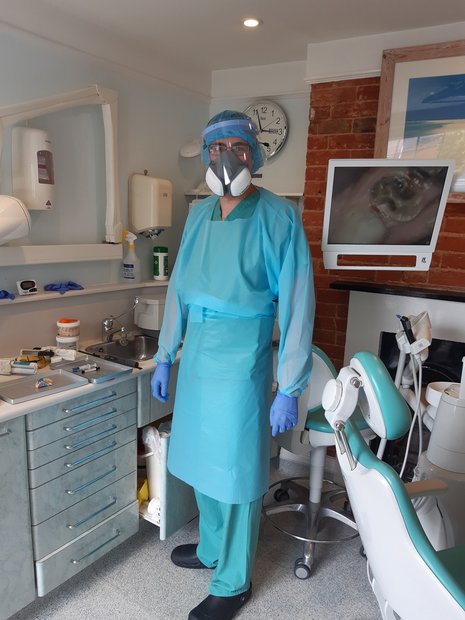 As practices start to reopen after the Covid-19 lockdown, teams are finding new ‘normals’ and are learning to work in different ways to get practices up and running again. We spoke with Adam, a dental hygienist and therapist, who has had a change of role following lockdown to help his practice get back on track.