
Dental Nurse Inspiration

Dental Nurse Inspiration
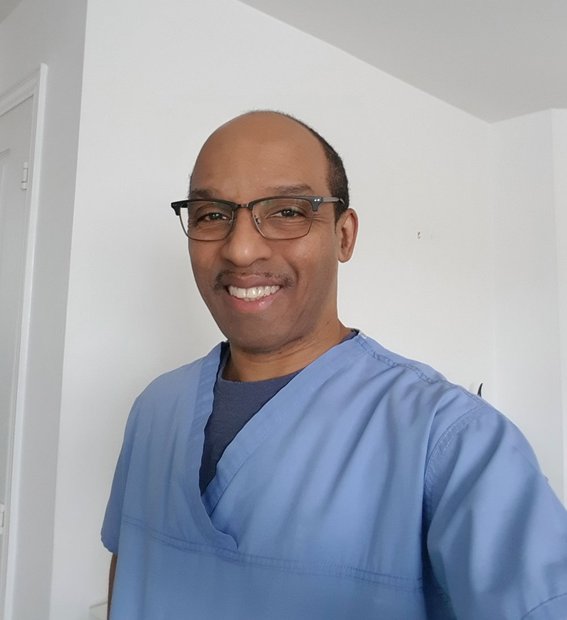
So many articles have been written about dental nurses, their career journeys, their further education and their professional achievements. They are all very inspiring and we do need that.
But I got to thinking: what about the shy apprentice dental nurses just starting out in their careers? Many of them, as I have seen, are quite nervous and apprehensive during their first few days and weeks in a dental surgery. Many of them are not being told exactly what to expect in their first few days. Maybe, if they were given this ‘heads-up’, they would be more mentally prepared and perhaps not feel so overwhelmed.
I did struggle to find an article that could serve to encourage and embolden apprentice dental nurses in this way. So I thought: why not write an article to do just that! And so here I am. If you are about to start your very interesting journey to becoming a qualified dental nurse, this article is for you.
I’m going to write about what an apprentice dental nurse should expect to see and do in their first week in a dental surgery. Is it going to be scary or intimidating? Will it be a bit of a challenge? I have based this on my experiences and my opinion as to what apprentice dental nurses should be shown and taught, generally speaking, in their first week.
But a little about myself first. I got into dental nursing as a career change. I did not go via the apprenticeship route. I did the course at a college, and in about a year and a half, I got through with my exam and OSCEs and gained my dental nurse qualification. I have been practising for a few years now. In my current role as a dental nurse, I am mentoring trainee nurses and witnessing and signing off their records of experience for their college work.
Technically, dental nursing isn’t difficult. Really, it isn’t! It’s a relatively easy job to do in comparison to, say, being an accountant or an IT engineer. The difficult part is that the surgery can get quite busy on a daily basis, and you are constantly on your feet. But if that doesn’t faze you, then you will enjoy helping people with their oral health. Dental nursing skills are specific. You need specialised training, and that is what you will get, starting with your first week in surgery.
But, of course, before you actually do anything in surgery, you will need to get your Hepatitis B vaccinations. So usually you will get three shots of the vaccine. After your first shot, you wait one month before getting the second shot, then another five months before getting your third and final injection. Then you will follow up with a blood test to check your anti-HBs to see if you have enough immunity.
I can still remember my first week in surgery, when I shadowed an experienced nurse in her work supporting the dentist and working in the decontamination room. To be honest, I had a fairly steep learning curve, especially as all of my previous job roles had nothing to do with working in a dental practice. Everything was totally new to me. Now, I am not saying that you will necessarily have a steep learning curve as well. Maybe you are a fast learner. Many people are. Or maybe it will take a bit longer for you to get it. But don’t worry about that. Everyone is different, and as long as you are happy to put in the hard work, you will be fine. So, congrats and well done for deciding to pursue apprenticeship dental nursing. You will be learning lots of new skills, and there will be lots of avenues for you to progress down after you qualify.
During that first week in surgery, I was a bit nervous but at the same time a bit excited. The first thing the nurse that I was shadowing showed me was how to use Personal Protective Equipment (PPE) – gloves, mask, apron and visor or goggles. PPE is part of infection control and is used to prevent cross-contamination. I was shown how to remove my PPE safely. This is really important; after a treatment, your PPE is contaminated, so I was shown to take my gloves off first whilst being careful not to touch the outside with my bare hands, then to take my apron off by breaking the neck straps and pulling the apron away from the inside, without touching the outside. I was shown how to then take the visor off without touching the outside surface and how to take the mask off by holding the straps. Most of it is disposed of in the orange clinical waste bag, but the visor can be wiped clean with disinfectant wipes.
The next thing I was shown was how to wipe down all surfaces properly after a treatment. After the patient has left the surgery, the nurse removes the tray and places the dirty instruments in the dirty Daniels box – the bib and rinse cup are disposed of in the clinical waste and the sheathed needles and 3-in-1 tips in the yellow sharps bin. I was shown to start from the top in disinfecting the surfaces – to first disinfect the light handles, then the dental chair, the dentist tray and handpiece couplings, and finally the suction tube holder and spittoon. The idea is to start where it is generally least contaminated to where it is most. For example, you will have blood and saliva on the handpiece couplings and suction holder and spittoon, so careful attention to these areas when disinfecting is paramount. This initial training in proper infection control procedures means you will know how to work in the surgery for the safety of yourself, the dentist and the patients so that no one gets contaminated.
Next, I was shown how to get the patient ready once they are sitting in the dentist’s chair. You always put the patient first; you give them their safety goggles, place a bib on them and have a rinse cup ready. Those were the first things I learned. I then learned about the instruments. It is most likely that you will start off with an exam kit. So, for check-ups, you will set out a mouth mirror, straight probe, BPE probe and tweezers. The dentist may take x-rays as well, so you may need to have the film and bitewing x-ray holder ready. Every practice does things differently, but generally speaking, these are the instruments the dentist will ask for when doing an exam.
For treatments, you will learn which instruments are needed for a filling, whether it’s an amalgam filling, a white composite filling or a glass ionomer filling. For tooth extractions or XLAs, you will learn the different forceps and luxators the dentist will use depending on which tooth is being extracted. And over the next few days you will be able to cover pretty much all the treatments – the crown preps, denture impressions, root canal treatments and so on. It’s really good if you can take notes as you go along – take a notebook with you into surgery while you are shadowing, and don’t be afraid to ask questions.
The next thing you will be watching the nurses do is charting on the computer. When a patient comes in for a check-up, the dentist may need to update the record of the patient’s dentition. This is called charting. On the patient’s computerised profile, there will be a detailed diagram of the teeth which shows all the surfaces of the teeth. The dentist will ask the nurse to record the health of the teeth. The patient may have occlusal caries or a buccal composite filling or a crown. Whatever the dentist sees on the patient’s teeth, they will ask you to chart it on the computer. So that is another task they will introduce to you – maybe on the first day – perhaps on the third or fourth day. It’s not hard once you get to know the surfaces of the teeth.
The nurse will also show you the decontamination room and will show you how all the equipment works and how to use it. You will observe them using the ultrasonic bath, the washer disinfector, and the autoclave. Not every practice will have all that equipment, but they will most certainly have autoclaves because that is what you use to sterilise the instruments.
So, that’s pretty much it when it comes to shadowing and learning how the nurses do their work. The next step is actually doing the work yourself. Most nurses learn better once they actually start doing the charting, setting up the trays and mixing the materials. You will start off by setting up exam trays, after which you will progress to setting up trays for other treatments.
On some days, I was placed to work with the dentist, but I always had a qualified nurse with me to watch and guide me along the way. And depending on how quickly you are able to pick things up, you could be helping the dentist with most treatments on your own in the same week that you start, or perhaps in the second week.
One thing you will definitely do early on, especially after you’ve had your Hep B jabs sorted, is suctioning. Suctioning isn’t rocket science, but it is really important – your dentist will want you to suction all the saliva away while they are working in the patient’s mouth, and you will also need to retract the tongue and the soft tissues away from the instruments. When I was training, I sometimes worked with the hygienist, and suctioning is how you spend the majority of your time in this context. Obviously, you also have to set up the trays, but generally this is a good opportunity to work on your suctioning technique and really become confident at it. And just to say that if you are feeling timid or scared about suctioning, you are not alone. Many trainee nurses have felt the same way. Don’t be discouraged if that’s how you feel – over time, it will get better, and you will get lots of practice.
For patient exams, you will need to get the patient’s notes up on the computer. You will set up the exam tray and provide PPE for both yourself and the dentist. You will give the patient their safety goggles and place a bib and rinse cup. You will go over to the computer for charting, and you may be digitally processing x-ray films if they are taken. You may also do some suctioning if the dentist decides to do a scale. For treatments, obviously the tray is set up specifically. You will sit by the dentist, mixing and passing the materials. You will also undertake suctioning and monitoring the patient at the same time, making sure that the patient is comfortable.
So that is an overview of my experience of working in the surgery when I first started training as a dental nurse. The next thing you will have to think about is your college work. Every practice is different. The course that your practice has contracted you to do might be the NEBDN National Diploma in Dental Nursing, or you may be doing the City & Guilds Level 3 Diploma in Dental Nursing. If you are doing the City & Guilds, you will be allocated a tutor to help you prepare for your nursing exams. You will be given a portfolio assessor who will mark your records of experience – basically your portfolio of evidence – indicating that you are competent in working with the dentist through different treatments.
You will also have a workplace assessor. These assessors travel around to different practices, and they will observe you in surgery, provide feedback, discuss areas needing improving, and advise you on how you can develop further. You will attend workshops, sit a mock exam, and then sit your final written exams. If you are doing the NEBDN National Diploma, you will complete your records of experience, sit a mock exam and one final written exam, then do a practical assessment called the OSCEs where you will demonstrate your nursing skills, including medical emergency skills, in front of a panel.
So that’s it!
And one last thing I would like to say – dental nursing can be rewarding. It is a lot of hard work. Some days may be manic, and you will run late sometimes. At times, you may need the help of another nurse just to catch up. Remember, nurses work as a team, and they will help each other when they can – so don’t be afraid to ask for help when you get stuck on something or start to struggle.
I do hope you have found this article helpful and encouraging. Never give up on your dreams. Believe in yourself. With hard work and determination, you will be that qualified dental nurse you aspire to be!
Raymond Wilson RDN
Dental Nurse Inspiration
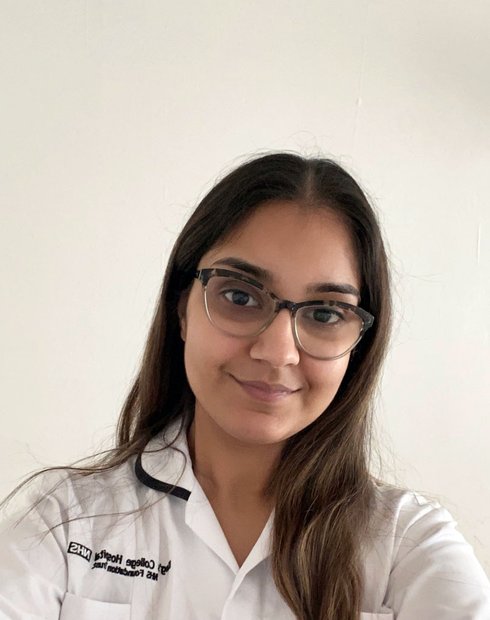
I left school at eighteen, not knowing which career path to take. All I knew was that I wanted to go into a field that involved working with people. I took a receptionist job at a local dental practice, and it was then that I realised I wanted to pursue a career in dentistry. I enjoyed the patient interaction and seeing how dentistry can have a huge impact on people’s lives. After a couple of years of working on reception, I was given the opportunity to begin a dental nursing course and take a more hands-on approach.
I qualified as a dental nurse in 2015 and worked alongside a range of dentists, carrying out both NHS and private work. I even had the opportunity to nurse with specialists in the fields of endodontics and periodontics. As a nurse, I was able to follow each patient’s journey from dentist to hygienist/therapist and see first-hand how access to these services can have a positive effect on a patient’s oral health. It was my dream to eventually be sitting in the clinician’s chair, treating patients. I enjoyed discussing patient treatment plans with the clinician, asking questions about why certain decisions were made. This is what inspired me to further my career in dentistry and look into dental hygiene and therapy courses.
I left school with no A-Levels and always thought the possibility of being accepted onto a course was slim. A friend mentioned to me that she had come across the Diploma in Dental Hygiene and Therapy at King’s College, which was due to start in January 2019. She pushed me to apply. I was lucky enough to be invited for an interview in September 2018. I remember feeling sick on my way there, thinking about how there would be so many other interviewees with a better academic record than me. Surprisingly, once I entered the interview room I felt at ease. The panel members were extremely welcoming, and the whole process was not half as scary as I had imagined. I found out later in the month that I had been offered a place on the course. I remember having to read the offer over and over before it completely sunk in – I couldn’t believe it.
I had been working in the same dental practice for almost seven years, and it wasn’t easy handing in my notice. I was fortunate enough to be changed over to a zero-hours contract, so I had the option of returning for some occasional dental nursing.
The course began in January 2019, and going from full-time work into full-time education was a big change. The course is intense at times in terms of its deadlines, exams and general workload, but the rewards are huge. The opportunity to sit in the clinician’s chair and treat patients is what pushes me to keep going; I am due to qualify later this year. I have been back to my practice to nurse several times since starting university, and I enjoy it more than ever. As well as catching up with colleagues, I get to interact with familiar patients. I now appreciate even more the amount of work nurses do to support clinicians.
To any dental nurses thinking of taking the leap and leaving work to further their careers and study, I would say ‘go for it!’. Take time to research entry requirements, but more importantly, make sure you radiate your passion to progress. A lot of people may look good on paper, but it is how you come across in real life that truly matters. It is a hard journey, and there have been many times I have wanted to run back to the comfort of dental nursing – but it is during the hard times that I remind myself of why I am doing it and the future rewards. If you can dream it, you can do it!
Written by – Prabjot Mann, RDN
Dental Nurse Inspiration
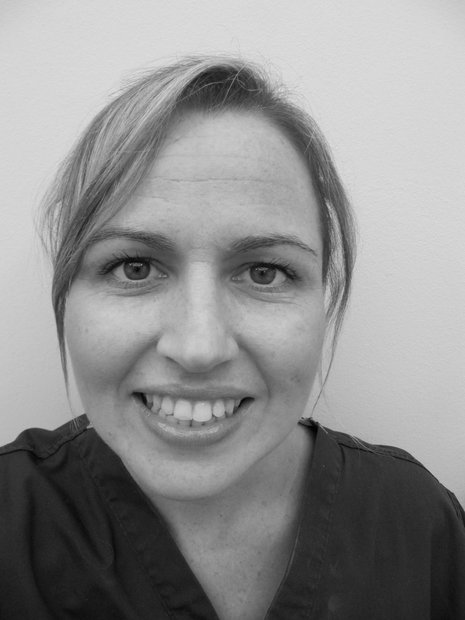
When did you start working as an orthodontic nurse?
In the year 2000!
Why did you start working as an orthodontic nurse? Was it something you had always wanted to do?
To be honest, I had no idea what I wanted to do after high school. My good friend recommended me for a role as an orthodontic assistant for a practice in Wellington, New Zealand. I have a lot to thank her for. I worked there for four years and made plans to travel to London. With that amount of experience as an orthodontic assistant, I was able to secure a job straight away upon arrival. I worked for an amazing orthodontist who was at the cutting edge of adult orthodontics. I loved it – it was so interesting. And I am very lucky to have worked with many other amazing orthodontists following that.
You started a business during the pandemic. Have you always wanted to run a business?
Yes, I have, but I never really decided what I wanted to do. I had ideas that never left the drawing board. This one crept up on me.
Tell us about your current consultancy and what inspired you to start it?
I work for Body Shop at Home as a consultant. It was a really easy decision for me, as I genuinely like the products. I always thought I would be good at sales, but it needed to be something that I actually believed in. I was first inspired by a friend who had joined the company earlier in the year. I was really interested in supporting her and wanted to explore the ranges. It exceeded my expectations. The products are great, achieve the same results as my high-end products (or better), and are totally affordable. Body Shop is well known for being an ethical company too, which I love.
How did your experience in dentistry help you in this?
Customer service and dedication to the job. Whilst working in private orthodontic practices, you go above and beyond for your patients with a smile on your face. You make the surroundings a fun and enjoyable place for people to be, whilst at the same time remaining professional. There was no problem we couldn’t solve.
What advice would you give to other dental nurses wanting to start earning another income?
If you find something you want to do, do your market research and make sure it’s something that you will enjoy!
You can find me on Facebook: “Body Shop Pampering With Jo” –
Dental Nurse Inspiration