At the age of eighteen I was ready to find my first full-time job, but had absolutely no idea what I wanted to do. I scrolled through job listings every day, and before long I started to see vacancies for trainee dental nurses. I had a vague idea of what a dental nurse did and the thought of gaining a qualification whilst working really appealed to me.
After a bit of research online I found out that I could progress and potentially train to be a hygienist in the future. This instantly got me excited; I knew even before my first interview that this was what I wanted to do. The principal dentist at my first job interview could see how keen I was and offered me the job and the opportunity to gain my dental nursing diploma at college.
My first few days were tough. I realised had no idea how much responsibility a dental nurse had and just how busy it would be. I also had no idea that I would not handle the sight of blood well! I soon got into the swing of dental nursing though, and began to enjoy going to college in the evenings and learning more about the job.
I still knew that I wanted to pursue my ambition of training as a hygienist, so when my dental nursing course was almost finished I began looking at applying to universities. I knew my chances of getting in that year would be very slim; I only had two years’ experience working as a dental nurse and hadn’t even gained my diploma in dental nursing yet! However, I did manage to get an interview at the University of Essex for the two-year Fdsc Oral Health Sciences course and decided that it would be a valuable experience for future interviews.
The day of my interview was incredibly nerve-wracking. After chatting with the other applicants I quickly realised how little experience I had compared to them and decided I probably shouldn’t get my hopes up.
After dental nursing in general practice for two years I decided to try something new and got a job in a specialist orthodontic practice. Orthodontic nursing was something completely different; I had a much more hands-on role with the patients, which I loved. A few months after starting my new job I received a letter from the university with a conditional offer on the course I had applied for months ago. I couldn’t believe it! As much as I loved my new job I had to hand my notice in and go for it. After a manic few weeks trying to finish off my dental nursing diploma in time for the September start, I was ready to begin my training.
My two years at university were incredibly challenging – there was so much to learn in such a short space of time! The course at Essex involved attending university two days each week and placements two days each week with only a few weeks’ holiday a year, so it was very full-on, unlike many other university courses. For the first few weeks we mainly learnt anatomy and practised on phantom heads. Placements started in our second week and most of us were paired off with final-year students who would mentor us. As the weeks went on we were gradually signed off to be able to do more things with the patients, beginning with oral hygiene instructions, then recording BPE scores, and finally onto scaling supra and sub-gingival (with supervision, of course). As well as having four placements in general practice we also spent time working in a community dental practice treating special needs patients and in a clinic setting working alongside dental students.
The constant pressure of exams every term kept us all busy over the two years. Assessments ranged from practical and written tests through to case studies and case presentations. I qualified at the end of August this year and am currently working full-time for four different practices. I still have a passion for orthodontics and would not rule out further training as an orthodontic therapist in the future. I would also like to teach extended duties to dental nurses as I would like to encourage dental nurses to gain as many extra skills as they possibly can.
Written by Melanie Pomphrett RDH
Dental Nurse Inspiration
This article aims to give you an overview of my career so far and an idea of what to expect on various courses that are available to dental nurses should they want to further their own careers.
Firstly, I should tell you a little about myself. I began my career in dentistry in March 2006 in a small practice with just one dentist and hygienist. Since then a lot has changed!
I now work in a specialist practice with a large number of staff, offering treatments such as specialist endodontics, periodontal treatment, orthodontics and implants. During my career I have taken the following qualifications:
The National Certificate in Dental Nursing;
Oral Health Promotion;
Oral Health Education;
Dental Radiography;
Level 4 Certificate in Education and Training.
I have also completed courses in clinical photography and impression-taking.
My current role includes nursing, but also teaching an apprentice. This is why I took my most recent qualification, the Level 4 Certificate in Education and Training. I have also just started a Level 5 Certificate in Education and Training course which is taught alongside a PGCE (Postgraduate Certificate in Education) and runs part-time over two years.
Courses
As you may already know, the National Certificate in Dental Nursing is no longer available. I enjoyed this course at the time but the newer qualifications are much more in-depth and I feel they offer greater benefits for prospective dental nurses, particularly those who want to take their learning further.
The Oral Health Promotion course I took was a great way of preparing for the Oral Health Education qualification. It looked at reasons people may have poor oral health and the ways we, as dental professionals, can reach them and promote good oral health. The Oral Health Education qualification then takes things a step further, allowing dental nurses to see patients on their own under prescription of a dentist. The course expands on what you already know from your initial nursing qualification so the work is challenging but not too difficult. However, I found that there was a lot of it and it was incredibly difficult fitting this in around working full-time. The course involves building a portfolio, as well as sitting a final exam which is both written and oral. I found the portfolio quite fun to do and enjoyed getting to know my patients better while I worked through this. Two patients have to be selected as case studies and need to be seen a minimum of three times each, so it is a great opportunity to build good relationships. This is a great qualification for those who enjoy meeting people and who want the added responsibilities of seeing patients alone.
The Dental Radiography course is extremely useful and has given me a skill I use almost every day in my current job. I found there was a smaller amount of work to do on this course, but that the work was much harder. All the nurses at my current practice either hold this qualification or are working towards it and we have all found it very difficult to understand. However, it is worth persevering with it because it is of great benefit to a practice to have so many members of staff who are able to take radiographs. Again, this course is made up of a portfolio and final exam. The portfolio requirements are constantly changing but include taking a set number of certain views; for example, ten sets of bitewings and twenty periapicals. How easy it is to complete the portfolio depends on the individual practice and how many radiographs are taken.
The photography and impression-taking courses I have taken have each been taught in a single day with practical training. The photography course was quite long-winded and covered things such as what kit is required – I found that this was more than I really needed to know. There was also a section on the pros and cons of film and digital photography which seemed irrelevant as we all use digital photography now. My recommendation here is to ask a clinician at your practice for some informal training and try to get lots of practice. The impression-taking course was much more practical, giving the nurses more time to practice taking impressions on the day. This was much more useful as it gave all the nurses on the course a chance to review each other’s impressions and practice assessing whether the impressions were useable or if they needed re-taking. I have found with both of these skills that the best way to improve is to just keep practising.
Both by my current employer and my previous one have offered me the chance to do a sedation course. I have declined to do this course as I do not feel it will add much benefit for me. The course involves submitting a log of sedations the nurse has assisted with, including both intravenous and inhalation. I do assist with treating patients who are sedated, but not on a regular basis, and that has contributed to my decision not to undertake this qualification. However, I still wanted to progress in my career and looked to do something else. This is what led me to look into teaching courses.
My employer decided he wanted to train apprentices who were completely new to dental nursing and asked me to lead the project at our practice. I took a Level 4 Certificate in Education and Training to help me to do this and I loved this course and the difference it made to my teaching. It was certainly hard work but very enjoyable and allows you to meet a variety of different people. The course teaches the learners how to become teachers but not in any particular subject, so it meant I was around people in many different careers.
I am currently studying on a Level 5 Certificate in Education and Training course. So far this has been a much larger amount of work than the Level 4 course and is proving much more of a challenge! However, I am enjoying this and am very excited to see how I progress through the course. My teaching practice is continually improving because of this course and I would definitely recommend it to anyone looking to begin a career in teaching.
Changes to my job role
The Oral Health Education course is a great course for nurses looking to extend their duties. This qualification has allowed me to run my own appointment book and take responsibility for seeing my own patients. The practice I worked at when I achieved this qualification had an NHS orthodontic contract and so my main role was helping teenagers with new braces to learn how to clean them. It was challenging work to get some teenagers motivated – as I’m sure you can imagine! I faced new challenges regularly, with my most memorable being a patient who had suffered a stroke and lost some mobility in her right arm. She was a patient I selected for a case study and it was extremely rewarding to see the improvement in her oral health over the course of our sessions together. In my current job I still see some patients with new orthodontic appliances but the practice I currently work at mostly sees patients who are having complicated treatment plans including a large number of restorations, often using implants. Therefore, most of the patients in my current appointment book are patients with newly fitted restorations. I have found my Oral Health Education work to be extremely rewarding. I am quite a social person and seeing patients by myself gives me a great opportunity to chat to them casually and get to know them better. This is extremely valuable to a practice as it makes patients feel very cared for and well looked after.
The Radiography course led to my being able to take radiographs for clinicians. This can free up clinicians’ time for other things such as completing patients’ notes. I take radiographs most days in my current job role and it is a great skill for any nurse to have. Radiography is one of our core CPD subjects and so the course itself is a brilliant way of meeting CPD requirements.
Since beginning my Education and Training courses my job role has changed quite a lot. I mainly teach one apprentice at a time through one-to-one sessions but I have also started group sessions with our reception team. My aims for these sessions are to help reception staff be more confident in speaking to patients about their treatment and be more knowledgeable about what happens in the surgery. This should also contribute to the smooth running of appointment books. It will hopefully also help to explain to reception just how busy we nursing staff are!
Online vs in the classroom
My first two courses, the National Certificate and Oral Health Promotion were taught in a classroom setting. I then completed the Oral Health Education and Radiography qualifications online with the British Dental Association (BDA). My teaching qualifications have both taken me back to being taught in a classroom setting, along with having my teachers observe my own teaching sessions. I think there are pros and cons to both ways of learning.
Being taught within a classroom is great for being able to share ideas with peers and also to talk through problems and find solutions together. I have found this really helpful along my journey. I applied for Oral Health Education courses at dental schools for this reason but found that they seemed to get cancelled as there were not enough applicants for the courses to run – that is why I studied online.
The pros of online courses are that you can complete them at home or work and do not need to travel, but I have found that it is beneficial to have colleagues who can help you along the way if you do not have the classroom contact. I found both the BDA Education courses to be very good though, and they have people you can email for support and to answer questions whenever you need, so online courses should definitely not be overlooked.
Summary
Although my experiences of online courses have been positive, I still prefer being taught in a classroom setting as I find the support of peers invaluable. For myself, I also find it easier to ask questions face to face rather than in an email and so prefer the support of a teacher I can have a conversation with rather than an email.
I have enjoyed all the courses I have undertaken so far but the ones that stand out are the Oral Health Education and Radiography qualifications. This is because of the great benefits they can add to a practice and also because of the way they have added to my skills. If you can take ownership of your own OHE appointment book and run it effectively, you can prove yourself invaluable to a practice as well as having a lot of fun getting to know your patients better! If you work with a hygienist who has a busy appointment book it can also free up some of their time as you can work together to provide treatment and oral hygiene instruction.
The teaching courses I have done are a fantastic way of moving forward if you want to go into teaching. My only advice here is to be prepared for a lot of work as they are taught at degree level and so you need to be confident you can produce assignments at this level. You will get to meet a lot of different people doing a course like this, though, and will gain a qualification not many nurses have.
Wherever you decide to move forward to, I wish you lots of luck and hope you enjoy developing your practice as much as I have. Have a great time studying!
Katie Booth, RDN
Dental Nurse Inspiration
My journey started in 2006. Like many other 19-year-olds, I was unsure of which career path to take, so I had handed my CV into local businesses for reception work whilst I figured things out! During my interview for a position as a receptionist in a dental practice, I was asked why I wanted to be a dental nurse. 'A dental nurse - what's that?' I asked. Feeling slightly confused and bemused, I decided to accept the position.
As we all know, the first few weeks (and maybe months) can be a blur - until things click and you complete your first treatment without aspirating half of someone's tongue up.
After the buzz of qualifying in 2008, I completely caught the dental nursing ‘bug’. I wanted to know more and more about dentistry whilst furthering myself and opening up career opportunities. This led me to consider a career path in hygiene, and I decided I could work towards this whilst still enjoying dental nursing. I left my first practice in 2010 and enrolled on the online Oral Health Education (OHE) course whilst taking up a position as Senior Dental Nurse in a newly established NHS practice.
Unfortunately, internal changes at the practice meant I could not continue to pursue the OHE course. Desperate to continue with the course but not wanting to settle in just any practice, I joined a dental agency. After a fantastic three months I was offered a part-time position at a great practice in Bath. Four months later I said goodbye to the agency altogether as I was offered a full-time position.
I soon completed the OHE course and this was followed by courses in fluoride application, impression-taking, dental acupuncture and radiography, mixed in with some interesting periodontal updates, oral diseases seminars and forensic lectures. My dentist was so supportive that not only did he invest a lot of surgery/personal time in assisting me with records of experience for my clinical courses, but he also allowed me to leave early every week so I could complete my Biology A-level!
As the qualifications started racking up, I decided to apply for the hygiene course, and my application to study at Bristol University was accepted. The course there is currently purely focused on hygiene and runs full-time over 21 months. Between leaving practice and becoming a student, I applied to become (and was accepted as) an Examiner for the NEBDN, having previously worked as a helper.
The first few days of university consisted of the eight of us awkwardly opening doors for each other, traipsing around hilly Bristol to fill out forms, and receiving jabs from the occupational health team. Up until the Christmas break, phantom heads are used for practice and a huge amount of anatomy and physiology is covered; everything from polymorphonuclear leukocytes to tongue formation in-utero. Throughout the course I was amazed at the amount of 'ologies' we had to familiarise ourselves with: they included physiology, histology, pharmacology, radiology, pathology, microbiology, embryology and epidemiology.
During the first term, students are invited to visit the morgue at the University to further their learning. Cross-sections of heads allow for a better understanding of regional anatomy. In January, after what feels like a lifetime, real-life patients are treated - appointments last for one or two hours. Every aspect of the appointment is overseen by a tutor. Thorough medical histories are taken, and a huge emphasis is placed on aetiology of periodontal disease and personalised oral hygiene instruction (OHI). Once plaque scores (Turesky) are at a suitably low level, supra-gingival calculus has been removed and a full mouth pocket chart (FMPC) has been recorded, non-surgical periodontal therapy can take place, often with local anaesthetic. Patients generally receive root surface debridement (RSD) over two 2-hour visits, preferably within the same week. However, this is patient- and disease-dependent. The patient is reviewed after three months, when an FMPC, Turesky and any necessary OHI is given. The referring practitioner is then consulted as to whether the patient will either return to practice or receive another course of treatment, possibly with antibiotics (depending on the review results).
Between treating patients and attending lectures there is heavy involvement with the local community in terms of oral health promotion (OHP). Each week, one pair of students visits a care home, nursery, mainstream or special needs school and gives tailored advice to the patient group. OHP can be incredibly rewarding and eye-opening as well as confidence-building.
A research project is also undertaken in the first term of Year Two. I chose 'Intra-venous drug use and oral health' and visited a drugs rehabilitation facility to get personal experience from a recovering user. During the following term, rotations take place; several weeks are spent outside of the hygiene department in areas such as oral medicine, orthodontics, general/specialist practice, community and in the intensive care unit at the local hospital.
There are continual assessments throughout the course, ranging from e-assessments, practicals, essays, multiple choice, MMIs and vivas. The final exams consist of eight essays (on pretty much any of the subjects studied!), and then a patient presentation followed by a viva in relation to the patient.
I qualified in June this year and work full-time in a mix of private and NHS practices. My prior experience of dental nursing gave me a great starting point for studying hygiene and for understanding patient care, communication, infection control, dental anatomy, chartings and instruments. I am currently undertaking a teaching course with a view to teaching dental nurses and hopefully sharing some of my passion for dentistry.
Katy Amber RDN RDH
Dental Nurse Inspiration
Imagine being referred to as irreplaceable - knowing that your dentist sees you as a genuine asset. This could be a reality. Every dental nurse starts at the bottom of their career ladder with very little or no knowledge about the dental industry.
Those who push themselves develop into irreplaceable dental nurses. Every dentist is different and there are so many avenues to take to develop your skills as a dental nurse. A good dental nurse is always one step ahead of the dentist.
Communication skills
Communication in the surgery - both with colleagues and with patients - is critical, whether the contact is made in person or over the telephone. Patients will often turn to the dental nurse for advice and support after a diagnosis has been provided by the dentist. It is important that nurses are able to provide that support and make the patient feel at ease. In the surgery it is important that a clear level of communication is achieved to ensure patients are reassured from the moment they enter the room. This includes: supporting and talking to patients during their appointments, accurate note-taking and charting, and listening to what the dentist needs in order to ensure a smooth-running surgery. For nurses who are great at their jobs but not so great at communicating with patients, it may be worth looking into a treatment co-ordination course to develop and encourage new skills in the surgery. This is a fantastic course that not only develops your communication skills but teaches you how to deal with different personality types, as every patient will have different expectations and needs. Dental nurses should have reasonably high writing and reading standards in order to be able to communicate effectively with the people we encounter at work - such as dental technicians, dental reps, and the people we contact to order stock.
Work ethic
Your patients, the practice and your dentist all need someone they can rely on to provide a high standard of work at all times, and someone with an excellent attendance record. Being a motivated dental nurse with a good work ethic enables you to help build rapport with patients and the dentist as people know they can rely on you. To ensure your work standards do not slip, set yourself a new target every month and aim to achieve it - for example:
Over the next 12 months, I will ensure my attendance is 100%.
This week I will work additional hours to ensure everything is up-to-date. This will allow me to focus fully on my dentist and our patients.
Those with a good work ethic are dedicated to their job and will do anything they can to ensure that they perform well. In every profession there will be people who only do enough to keep their jobs. However, those with a strong work ethic care about the quality of their work and will do their best to produce excellent work all of the time, going above and beyond expectations.
Personality
To make yourself stand out as a dental nurse, you will generally need to be calm, understanding, patient and caring. Remember: your most important functions are to support your dentist and address your patients’ needs. Some patients will need a lot more care and support than others, especially if you work in an environment which uses sedation. It is important to be able to work well under pressure. Nervous patients will need the support of an understanding, caring dental nurse who can provide a high standard of care and explain everything in a clear way.
Qualifications
Education is so valuable - the more you learn, the more you can bring to your work. It is important to understand the reasons behind your dentist’s working practices; for example, why do we leave the room when taking a radiograph? Why do we need to use a pulse oximeter when carrying out sedation? Education is valuable and dental nurses should embrace the wide range of courses available to them – these can help them to stand out from other nurses. Every practice is different, and the best way to know which course would be the most valuable in your workplace is to speak to your dentist and see which course would provide the greatest benefit to both your work and theirs.
Responsibility
A dental nurse's role will involve multi-tasking to the maximum, and the way in which you handle that will affect how valuable you are. Along with multi-tasking comes responsibility: for ensuring patients feel cared-for throughout their appointments, for ensuring waste is disposed of correctly, for ensuring patients in the waiting room are informed if the dentist is running late, and for adhering to cross-infection procedures (to name just a few). Responsibility plays a very important role when it comes to medical emergencies – something which most nurses experience at some point.
Skills
To provide excellent chair-side assistance, it is important to have organisational skills, and to make sure that everything is set out for the patient before they enter the room. This is important because it means that your dentist will have everything he or she needs in advance, and will have more time to concentrate on the appointment.
The ability to concentrate is also an important skill for dental nurses, as you will need to focus for long periods of time. You also need good eyesight so that you can ensure treatment plans are correct before handing them over to the patient to sign. Eyesight is also important when dealing with small dental equipment; burs in particular are a vital piece of equipment, but are easily lost or misplaced if you are not careful with them.
Finally, to become an irreplaceable dental nurse, it is crucial that you can work equally well independently and as part of a team. You will find that each of these are as important as each other.
In conclusion, the main factor that makes you irreplaceable is the passion and hard work you put into your career; your view of it as a hobby you love, rather than a job. There are many positive things you can inject into your career, such as qualifications, personality and a strong work ethic. Your career is what you make it - so set out to be the best and work hard. You will soon become irreplaceable.
Written by R.Gibbons RDN
Dental Nurse Inspiration
My typical day as an orthodontic nurse is full of variety. From bonding treatments to space closure, every case is different because each patient requires a unique prescription.
Today’s list included a de-bond for a Class III surgical patient, which is always interesting.
Surgical patients have usually been in treatment for three or more years, and it can be a long, often arduous process.
The transformation is remarkable to see first-hand, and de-bond day in particular is very exciting. As with all our de-bond appointments, we showed the patient the study models we created using the mould of their mouth prior to treatment, as well as all of their extra- and intra-oral photographs. Our patient was amazed by the change, and said they had actually forgotten how uncomfortable their original alignment and bite had felt.
Orthodontics is an ever-changing field; there are always innovative new products being designed and trialled. In the time since my own orthodontic treatment was completed ten years ago, so much progress has been made. With lingual appliances and products such as Invisalign, treatment is more aesthetically pleasing, particularly for older patients.
Orthodontic treatment is provided to a broad spectrum of patients. In the dental hospital where I work we treat people of all ages and with varying medical histories and requirements. Working in the hospital also means that I get to see patients undergoing orthognatic surgery, and these cases are ones I find particularly interesting. The results of these procedures are not only shown through the patients’ teeth, but also in their faces.
Many patients who come to us for surgery have suffered confidence issues relating to how the position of their jaw determines the shape of their face. Some patients even say they have avoided eating in public due to feeling embarrassment, as the position of their jaws has prevented them from biting easily.
Another common condition we see is hypodontia (missing teeth). Our orthodontists work closely with restorative dentists to give these patients a ‘perfect smile’, using braces to strategically align the teeth and reduce any gap left by an absent tooth. The patient will typically have implants or bridges fitted to finish their treatment and create the appearance of a full set of teeth.
I love being an orthodontic nurse because of the variety in the work, the opportunities to team up and learn from dentists from other specialities, and the incredible advancements being made on a regular basis. I enjoy getting to see my patients every six to eight weeks, and being able to witness the improvements that orthodontic treatment can bring to their life.
Watching a patient leave a de-bond day appointment with the biggest smile on their face is just as satisfying now as it was when I first joined the clinic. I hope to continue developing my skills in this field and assist in transforming patients’ smiles.

 At the age of eighteen I was ready to find my first full-time job, but had absolutely no idea what I wanted to do. I scrolled through job listings every day, and before long I started to see vacancies for trainee dental nurses. I had a vague idea of what a dental nurse did and the thought of gaining a qualification whilst working really appealed to me.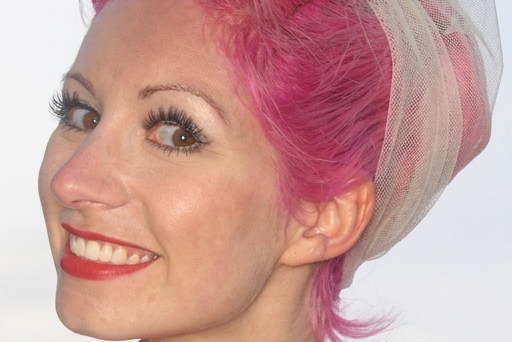
 This article aims to give you an overview of my career so far and an idea of what to expect on various courses that are available to dental nurses should they want to further their own careers.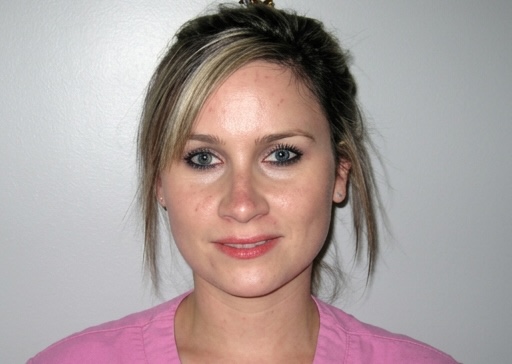
 My journey started in 2006. Like many other 19-year-olds, I was unsure of which career path to take, so I had handed my CV into local businesses for reception work whilst I figured things out! During my interview for a position as a receptionist in a dental practice, I was asked why I wanted to be a dental nurse. 'A dental nurse - what's that?' I asked. Feeling slightly confused and bemused, I decided to accept the position.
 Imagine being referred to as irreplaceable - knowing that your dentist sees you as a genuine asset. This could be a reality. Every dental nurse starts at the bottom of their career ladder with very little or no knowledge about the dental industry.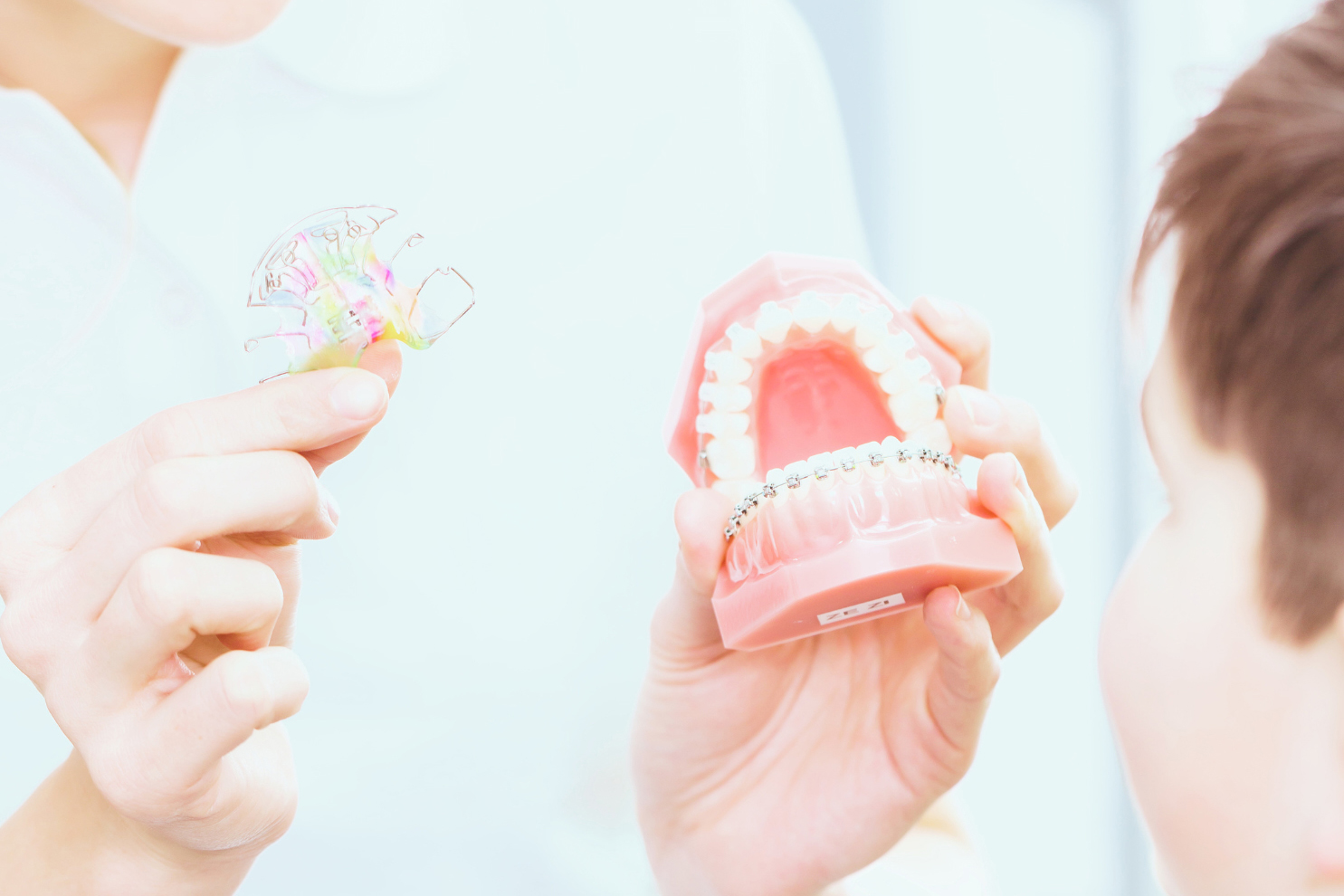
 My typical day as an orthodontic nurse is full of variety. From bonding treatments to space closure, every case is different because each patient requires a unique prescription.